
 Business License

Commercial dehumidifier selection guide: how to choose
Consider an illustrative scenario. On a humid Monday morning in June, a facility manager named Daniel unlocked his company's 800 m2 packaging warehouse and stopped in the doorway. Carton labels were curling off the boxes. Surface rust dotted the pallet racking, and the concrete floor felt damp underfoot. Nothing had leaked. The moisture came from the air itself.
If you manage a warehouse, production area, or storage space, you don't need a flood to lose money to humidity. A commercial dehumidifier can protect inventory, equipment, and building materials, but only when you match the unit to your real operating conditions.
This guide walks you through the selection process step by step. You'll learn how to set a humidity target, size capacity against temperature and moisture load, check drainage and power requirements, and verify model documentation before you commit. One note before we start: performance figures vary by model, so treat the numbers here as general guidance and confirm model-specific data with current documentation.
What a commercial dehumidifier does (and when you need one)
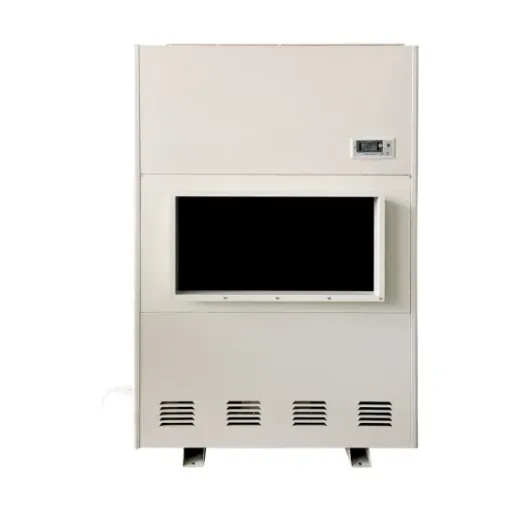
A commercial dehumidifier removes water vapor from indoor air at a scale suited to business and light-industrial spaces. It sits between small household units and the industrial dehumidifier systems engineered into plant-wide HVAC. You move air across a cold coil (or through a moisture-absorbing rotor), water condenses out, and drier air returns to the room.
Where does that matter in practice? More places than you'd expect:
Warehouses and storage rooms: protect cartons, metal parts, electronics, and raw materials from condensation and corrosion.
Food and beverage processing: control moisture around washing lines, packaging stations, and cold-store entrances.
Construction and water-damage drying: speed up drying after leaks, floods, or fresh concrete work.
Indoor pools, gyms, and wash bays: manage constant evaporation from open water and wet surfaces.
Archives, museums, and server rooms: hold a stable environment for paper, artifacts, and sensitive equipment.
Why the fuss about a number on a hygrometer? The US Environmental Protection Agency advises keeping indoor relative humidity below 60%, and ideally in the 30-50% range, to limit mold growth (see the EPA's brief guide to mold and moisture). Above that zone, mold, corrosion, and condensation damage accelerate. Below it, most stored goods and building materials stay stable.
Here's the thing: buying the equipment is the easy part. Buying the right unit takes a short, disciplined process, and that's what the rest of this guide covers.
Want a head start? If you already know your space needs humidity control, you can request product information for the dehumidifier category at any time. The checklist below will help you ask sharper questions first.
How do you choose a commercial dehumidifier?
Choose a commercial dehumidifier by defining your target humidity, room volume, temperature range, and moisture load. Match rated capacity, stated at specific test conditions, to your worst-case conditions, confirm drainage and power requirements, then compare model documentation before requesting a quotation.
That's the short answer. Now let's break each step down.
Set your target humidity level
"Make it less humid" isn't a target. "Hold 50% RH or lower year-round" is. A defined upper limit tells you and your supplier how hard the equipment has to work, and it shapes every later decision.
Different applications point to different targets:
General storage and occupied spaces: 40-60% RH covers most needs.
Paper, textiles, and archives: tighter bands apply, and stability matters as much as the number itself.
Corrosion-sensitive metal goods: lower targets reduce rust risk, especially near cold surfaces.
If you're not sure where your application sits, thermal comfort and condensation guidance from bodies such as ASHRAE offers a sound starting frame. Then confirm the requirement with the people who own the process or the stored product.
Measure the space and the moisture load
Capacity starts with volume, not floor area. Measure length, width, and ceiling height, then multiply. A 500 m2 room with a 3 m ceiling is a different job from the same floor area under an 8 m roof.
Next, list the moisture sources. Ask yourself:
Is there open water, wet product, or a washing process in the space?
How often do doors open to humid outdoor air?
How many people work in the area, and for how long?
Does damp stock arrive regularly, for example freshly washed produce or wet packaging?
Each source adds load. Two identical rooms can need different capacity because one holds dry boxed goods and the other receives pallets of wet material every morning.
Know your temperature range
This is the step buyers miss most. Air temperature changes what a dehumidifier can deliver, and the gap between a datasheet condition and your room condition can be wide. We'll dig into that in the next section, because it drives the biggest sizing mistakes.
Match capacity to your real operating conditions
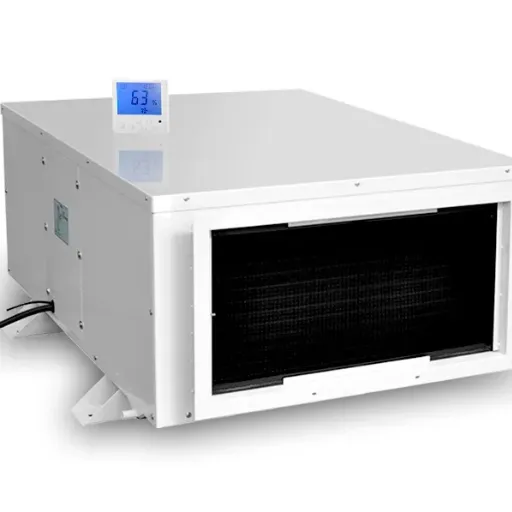
Commercial dehumidifier capacity is stated as water removed per day, in liters or pints. That number is meaningless without its test conditions. A rating of 90 L/day measured at 30 °C and 80% RH describes warm, humid air. Your cool store at 16 °C is a different world, and the same unit will remove far less water there.
Consider an illustrative scenario. Priya, a distributor serving a coastal market, placed an order in early 2025 for 12 units rated at 90 L/day under those warm test conditions. Her clients ran cool storage rooms at 15-18 °C. Field performance came in far below the brochure figure, complaints followed within weeks, and she paid USD 1,800 in freight to swap the order for low-temperature models. The fix cost money, but the lesson was free: always ask for capacity at your temperature and humidity, not the catalogue's.
Refrigerant vs desiccant: two ways to dry air
Two technologies dominate this equipment category: the refrigerant dehumidifier, which condenses moisture onto a cold coil, and the desiccant dehumidifier, which binds moisture to an adsorption rotor. They suit different conditions:
| Factor | Refrigerant (compressor) | Desiccant (adsorption rotor) |
|---|---|---|
| Strong temperature zone | Warm conditions, roughly 15-35 °C | Cool conditions, including below 10 °C |
| Cold-weather behavior | Coils can ice up; output falls as air cools | Continues working in unheated spaces |
| Energy profile | Efficient in warm, humid air | Suits low dew points that refrigerant units can't reach |
| Common applications | Warehouses, production areas, drying work | Cold stores, unheated facilities, deep-drying processes |
This table is orientation, not a specification. Refrigerant models with hot-gas defrost extend their usable range downward, and desiccant units carry their own power and heat considerations. Confirm the operating envelope on the datasheet of the exact model you're evaluating.
Don't size from floor area alone
Rules of thumb like "X liters per 100 m2" ignore ceiling height, moisture sources, and temperature. They can land you 30% under capacity in a damp process room, or paying for capacity you'll never use in a dry one.
The better path: collect your room volume, temperature range, target humidity, and moisture sources, then ask the supplier to check the load. A supplier who can discuss capacity at stated conditions is showing you something useful about how they work.
Have your numbers ready? Room dimensions, temperature range, and target humidity are exactly what a supplier needs to check model suitability. You can discuss your requirements with those figures attached and skip the guesswork.
Check installation, drainage, and power requirements
A unit that fits your humidity target can still fail your site. Before you shortlist models, walk the space with this checklist.
Placement and airflow
Leave the clearance the manual specifies around air intake and outlet grilles.
Position the unit where air actually circulates; a corner blocked by racking starves the machine.
For large or divided spaces, ask whether ducted airflow or multiple smaller units serve better than one big unit.
Drainage
Every liter removed from the air has to go somewhere. Confirm:
Drain type: gravity hose, condensate pump, or manual tank. For unattended operation, a continuous drain is close to mandatory.
Drain route: hose length, rise height, and the location of a floor drain or external outlet.
Frost season behavior: in cool spaces, defrost cycles release extra water, and the drain has to cope.
Electrical requirements
Electrical mismatches stall more international orders than humidity math does. Verify:
Voltage and frequency: a 220-240 V / 50 Hz unit won't run correctly on a 120 V / 60 Hz supply, and large units may need three-phase power.
Circuit capacity: running current plus startup draw against the available breaker.
Destination-market documentation: confirm which electrical and safety documents apply to the model in your country before you finalize an order.
Verification required: Confirm voltage, frequency, plug or connection type, and applicable documentation against the current datasheet for the selected model and your destination market.
Dust and the operating environment
Flour dust, textile fibers, and warehouse debris clog filters fast. If your air is dusty, plan shorter filter intervals and ask about filter access. A unit that's hard to open gets serviced less, and its performance slides quietly.
Compare model documentation before you request a quotation
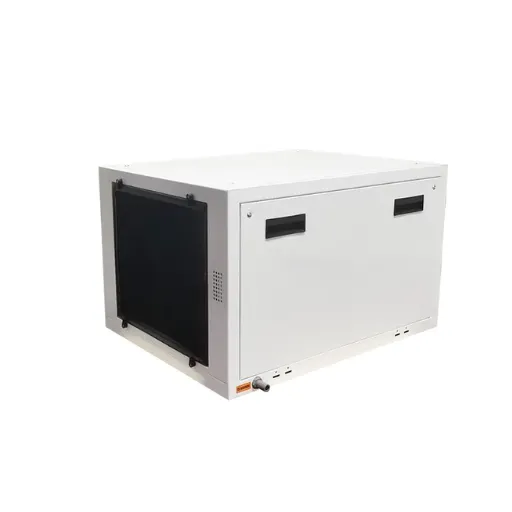
Two listings can read identically and describe different machines. Documentation is how you tell them apart. For each candidate model, request:
A datasheet showing capacity at more than one temperature and humidity point
Rated power input and running current, with the test conditions stated
Noise level, if the space is occupied during operation
Dimensions, weight, refrigerant type, and charge where applicable
Control features: humidistat range, defrost logic, timers, and any external control options
Installation, operation, and maintenance documentation in a language your team reads
Then compare like for like. Line up the same temperature and humidity point across datasheets, or you're comparing marketing, not machines.
Suppliers differ in how much they publish upfront. XiAn Wisdom Computer Info&tech Co., Ltd lists dehumidifiers among its product categories, and as with any supplier, you should confirm current models, specifications, and availability for your specific enquiry rather than assuming a listing tells the whole story. The company states that quality management and after-sales support are central to its service approach; ask what documentation backs that for the model you're considering.
This evidence-first habit costs you an email and saves you a reorder. It's the single highest-value step in the process.
Plan maintenance and after-sales support before ordering
A commercial dehumidifier is not a fit-and-forget appliance. Filters load up, coils foul, and drain lines clog, and each one quietly erodes capacity. Build the maintenance picture into your buying decision:
Filter access and interval: how often, and can your team reach it without tools?
Coil and tray cleaning: what's the documented procedure, and how frequently?
Drain line checks: a monthly flush prevents the classic overflow failure.
Humidistat verification: an annual check keeps the unit honest against a handheld meter.
Here's an illustrative scenario with a real lesson. The maintenance team at a mid-sized food-processing plant ran two units for 14 months without cleaning a filter or flushing a drain line. A blocked condensate tray overflowed into an electrical panel, corrosion followed, and the unplanned repair came to USD 2,400 plus two days of elevated humidity that spoiled a batch of packaging film. After the team set quarterly checks against the manual, the following year passed without a repeat.
Support questions belong in the same conversation as price. Ask for written answers on manual availability, spare-parts supply, warranty scope, and the service process for your destination market. If the answers arrive as clear documents rather than verbal assurances, you've learned something worth knowing about that supplier.
Conclusion: your commercial dehumidifier checklist
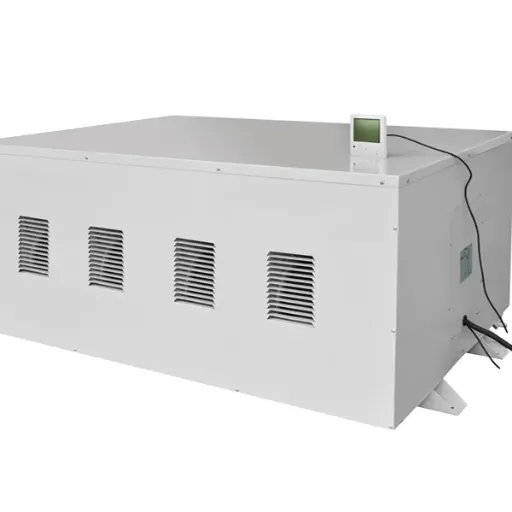
Choosing a commercial dehumidifier comes down to five moves:
Set a target: a defined upper humidity limit for your space and its contents.
Measure honestly: room volume, temperature range, and real moisture sources.
Match capacity to your conditions: not the brochure's test point, yours.
Check the site: drainage, airflow, voltage, frequency, and destination-market documentation.
Verify on paper: datasheets at stated conditions, plus written service and warranty terms.
Follow that sequence and you'll shortlist units that fit your space instead of your search results.
Ready to move from checklist to shortlist? Prepare your room dimensions, temperature range, and humidity target, then request a quotation with those figures attached. You'll get a recommendation you can verify against documented specifications, not a guess. And whatever you order, confirm the model-specific details in writing before the purchase order goes out. That's how a humidity problem becomes a solved problem.
Recently Posted
-
How to request a technical quotation for industrial equipment
August 17, 2026A purchasing assistant sends a one-line email to five suppliers: "Please quote your best price for a water pump." Two we Read More
 -
Custom mold drawing and tolerance requirements for buyers
August 17, 2026A custom mold arrives after eight weeks of tooling work. The first trial parts come off the press, and the snap-fit housing will n Read More
 -
What Information Is Needed for a PVC Molding Machine Enquiry
August 17, 2026A buyer who sends a PVC molding machine enquiry without the right technical details often receives quotes that cannot be compared Read More
 -
Power supply documentation checklist for industrial buyers
August 17, 2026Last March, Elena Vasquez received a shipment of frequency power supplies for a new cold-storage line. Elena is a procurement mana Read More

Contact Us
Recommended Products
-
 Large Capacity Ceiling Mounted Space Saving Indoor Pool DehumidifierNegotiableMOQ: 1 Piece
 -
Commercial Home Use Bathroom Dehumidification Swimming Pool Ceiling Mounted Mini DehumidifierNegotiableMOQ: 1 Piece
-
Greenhouse Grow Room Industrial Ceiling Mounted Duct Indoor Pool DehumidifierNegotiableMOQ: 1 Piece
-
Duokai OEM Indoor Dehumidifier Portable Swimming Pool Dehumidifier in Stock With CENegotiableMOQ: 1 Piece
-
High Quality Low Voltage ODM & OEM PLC Distribution CabinetNegotiableMOQ: 1 Set
-
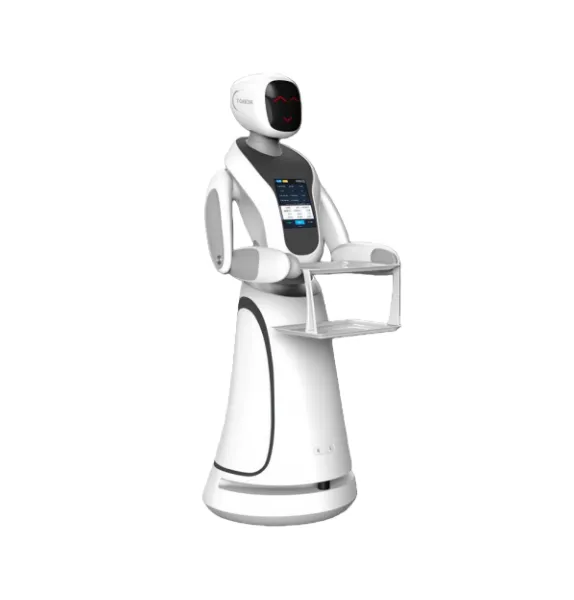
Amy Autonomous Food Delivery Service Robot for Food Service in Hotels, Restaurants, and Commercial VenuesNegotiableMOQ: 1 Piece
-
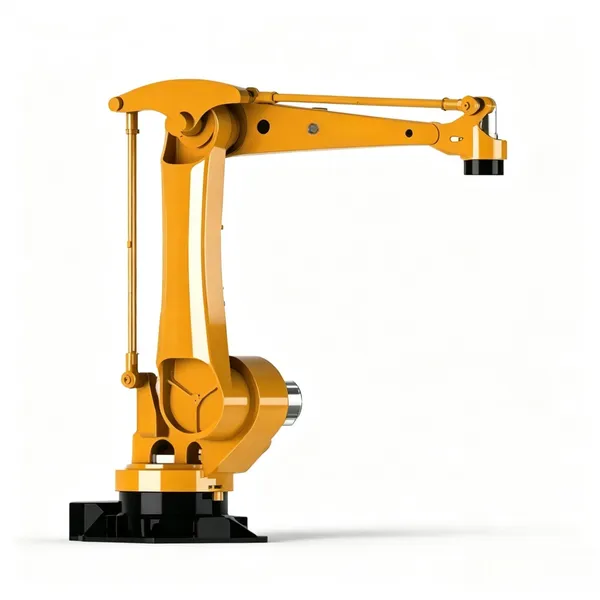
6-Axis Automated Arc Welding Workstation for Steel Structure FabricationNegotiableMOQ: 1 Piece
-
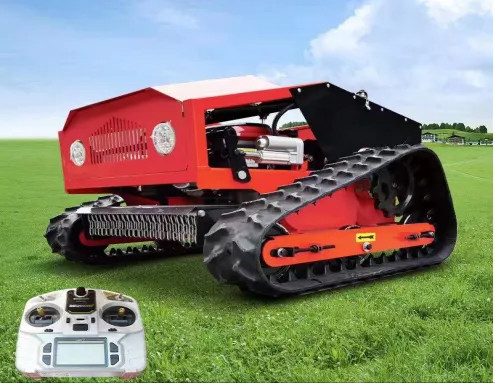
Intelligent Inter-Row Weeding Robot Mower for Precision Agricultural CultivationNegotiableMOQ: 1 Piece
-
100kg Capacity Tumble DryerNegotiableMOQ: 2 Sets
-
Saladin Type Malt Production LineNegotiableMOQ: 1 Set
-
Seawater Desalination SystemUS$ 2000 - 1000000MOQ: 1 Set
-
High Speed Synthetic Lane Bowling Ball ReturnUS$ 50 - 2000MOQ: 10 Pieces
-
6-Axis Industrial Welding Robot for H-Beam Automatic Rail Welding StationNegotiableMOQ: 1 Piece
-
Long‑Reach Welding Robot JZJ06C‑180 6KG 1800mm Cutting ApplicationNegotiableMOQ: 1 Piece
-
Steering Gear Steering-sensitive Automotive PartsNegotiableMOQ: 100 Pieces