
 Business License

Industrial Pump Selection: A Practical Guide for Buyers
A plant engineer at a beverage bottling facility in Rotterdam ordered three pumps in March 2025, choosing them by flow rate and price. Within two months, two units cavitated under load, and the third couldn't lift fluid to the mezzanine tanks because its head rating was too low. The pumps moved the right volume on paper. The selection had never confirmed total dynamic head, the fluid's viscosity, or the suction conditions at the site.
Industrial pump selection fails most often at that point: when a buyer compares flow rates and prices before defining the actual hydraulic duty. If you're choosing a pump for water transfer, a chemical process, a wastewater line, or a cooling loop, the same starting point applies. Define the application first, then compare documented model specifications.
This guide provides a step-by-step process for how to select an industrial pump. It covers fluid properties, flow and total dynamic head, pump types, materials, site utilities, documentation, and the commercial checks to complete before requesting a quotation.
No single model or brand is recommended here. Every claim about a specific pump should be confirmed against current, approved documentation for that model. The company providing this guidance, XiAn Wisdom Computer Info&tech Co., Ltd, states that pumps are among its equipment categories, but model availability and specifications require confirmation for each enquiry.
Start with the Application and the Pumped Fluid
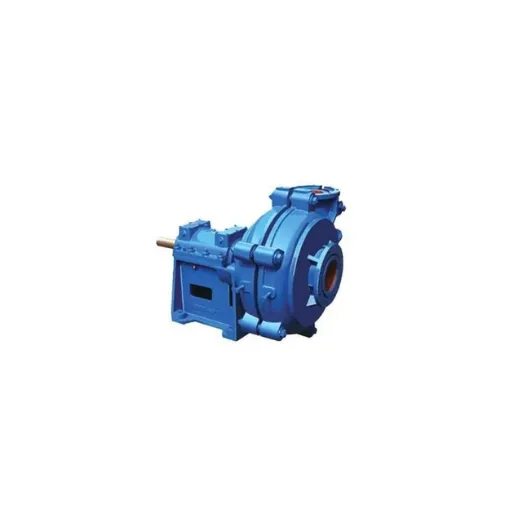
Every pump selection begins with the fluid and the job the pump must do. Two pumps with identical flow ratings can behave very differently when the fluids, temperatures, or duty cycles differ. For this reason, the pumped fluid is the first variable to document. Start there.
What Fluid Is Being Pumped?
The fluid determines the pump type, the wetted materials, and the seal arrangement. Collect the following information before comparing models:
Fluid name and composition, including any additives
Viscosity, which is the fluid's resistance to flow, measured in centipoise (cP) or centistokes (cSt)
Fluid temperature range at the suction and discharge points
Density and specific gravity
Presence of solids, fibers, or abrasive particles, plus their size and concentration
Corrosiveness or chemical reactivity with common pump materials
Whether the fluid is shear-sensitive, which matters for some food products and polymers
A change in any one of these properties can change the required pump type. Confirm each property before you compare models.
A pump sized for clean water at 20 degrees Celsius won't necessarily handle a slurry with 10 percent solids, a viscous oil at 50 degrees Celsius, or a fluid that attacks the casing material. If a property is unknown, test the fluid or obtain its technical data sheet before selection. Guessing at viscosity or solids content is a common source of premature pump failure.
Define the Duty Cycle and Operating Schedule
Confirm whether the pump runs continuously, intermittently, or only during defined periods. Continuous duty at a steady flow is a different engineering problem from intermittent use with frequent starts and stops.
Consider these questions:
What is the required flow rate during normal operation?
What is the peak flow requirement, and how long must it last?
How many hours per day or week will the pump run?
Will the pump start and stop frequently?
Is a standby pump required for redundancy?
A processing line that runs three shifts at a steady rate has simple requirements. A transfer application that must move a large volume in a short window, then sit idle for hours, needs a different arrangement. Size the pump and controls for that pattern. Record the duty cycle in writing so it can be compared against the model documentation later.
Define Flow and Total Dynamic Head
Flow and head are the two hydraulic values that define the pump's duty. Most selection errors come from defining flow correctly but head incorrectly, or from using a single head number without understanding its components.
Flow Rate
Flow rate is the volume of fluid moved per unit of time. It's expressed in cubic meters per hour (m3/h), liters per minute (L/min), or gallons per minute (GPM), depending on the market. Confirm the flow at the actual operating point, not just the maximum the system can produce.
For a single operating point, record the flow with its units and the fluid temperature. For a system that varies, record the range and the conditions at each end of the range. A pump that is selected at a single point may be inefficient or unstable elsewhere on its curve.
Total Dynamic Head
Total dynamic head (TDH) is the total energy the pump must add to the fluid. It combines three parts:
Static head, the vertical distance the fluid must be lifted
Friction head, the pressure loss from pipe length, fittings, and valves
Pressure head, any pressure difference between the suction and discharge vessels
A common mistake is to size a pump from the vertical lift alone. That number is not enough. A line with long pipe runs, several elbows, and a strainer can add a large friction head that the vertical measurement never shows. Confirm the full system curve, or at least the three head components, before selecting a pump.
The pump's performance curve shows flow against head across the operating range. Match the required flow and head to a point on the curve within the pump's recommended operating range. Aim near the best efficiency point (BEP), the flow at which the pump runs at its highest efficiency. Operating far from BEP raises energy use and can shorten seal and bearing life.
Net Positive Suction Head and Cavitation
Net positive suction head (NPSH) is the difference between the absolute pressure at the pump suction inlet and the vapor pressure of the pumped fluid. If this value is too low, the fluid vaporizes inside the pump, and the bubbles collapse on the impeller. That's cavitation, and it damages the impeller, reduces flow, and shortens bearing and seal life.
NPSH available (NPSHa) is a property of the installation. NPSH required (NPSHr) is a property of the pump model. The installation must provide more NPSHa than the pump requires, with a margin, at the operating flow.
A food processing plant in Lyon installed a pump for a syrup line without checking NPSHa against the pump's NPSHr. During high-temperature production runs, the syrup flashed to vapor at the impeller inlet. The pump lost prime repeatedly, and the impeller showed pitting within six weeks.
The fix was not a larger motor. It was a flooded suction arrangement that raised the NPSHa above the pump's requirement. The buyer who documents suction conditions before selection avoids this failure mode.
Identify the Pump Type for the Duty
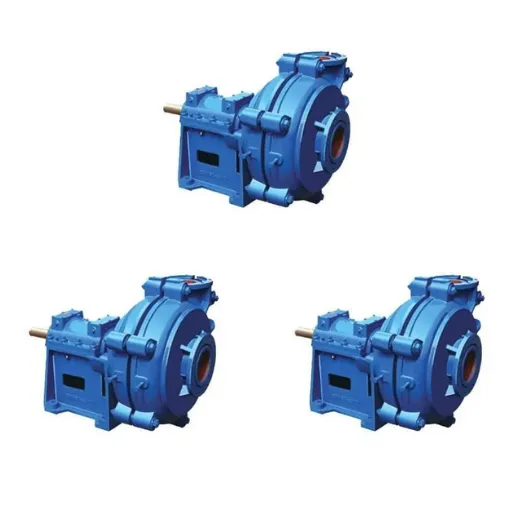
Industrial pumps fall into two broad families: centrifugal pumps and positive displacement pumps. The fluid properties and the required flow and head decide which family fits the duty.
Centrifugal Pumps
A centrifugal pump uses a rotating impeller to add velocity and pressure to the fluid. It is a common choice for clean or lightly loaded fluids at moderate flow and head, including water transfer, cooling loops, and many process streams. Centrifugal pumps generally provide steady flow and are straightforward to maintain.
Within the centrifugal family, the configuration varies. End-suction pumps suit general duties, vertical multistage pumps suit higher pressures in compact spaces, and self-priming pumps help where the suction line cannot stay flooded. Confirm the configuration against the installation space and the suction conditions.
Positive Displacement Pumps
A positive displacement pump moves a fixed volume of fluid per cycle, using gears, lobes, screws, diaphragms, or a rotating hose. It suits high-viscosity fluids, accurate dosing, and applications that need steady flow regardless of discharge pressure. Positive displacement pumps are more sensitive to solids and require protection against overpressure.
Dosing and metering pumps fall into this family and are selected for accuracy more than for raw flow. If the application needs repeatable delivery, confirm the accuracy rating and the calibration method from the documentation.
Matching Pump Type to Application
The table below helps shortlist a pump family for common duties. It's general engineering guidance, not a model recommendation. Confirm every candidate against current documentation.
| Application example | Common pump family | Primary consideration |
|---|---|---|
| Clean water transfer | Centrifugal | Flow, head, and NPSH |
| High-viscosity fluid | Positive displacement | Viscosity range and speed |
| Chemical dosing | Positive displacement | Material compatibility and accuracy |
| Wastewater with solids | Centrifugal or PD with solids handling | Solids size and concentration |
| High-pressure, low-flow | Multistage centrifugal or PD | Required discharge pressure |
| Hygienic food product | PD or hygienic centrifugal | Cleanability and materials |
General guidance narrows the options, but it doesn't confirm suitability. Two pumps in the same family can have different limits for temperature, pressure, solids, and materials, so the final check is always the model-specific documentation.
A useful next step: share your fluid properties, required flow and head, and site utilities so the relevant equipment category and available documentation can be checked against your needs.
Check Materials, Seals, and Construction
The wetted parts of a pump must tolerate the fluid. A corrosion or erosion failure can appear weeks or months after installation, which makes material selection one of the most consequential steps in the process.
Material Compatibility
Confirm the wetted materials for the casing, impeller, shaft, and fasteners against the fluid chemistry. Common materials include cast iron, stainless steel, bronze, and engineered plastics. For each material, consider the following:
Corrosion resistance in the specific fluid and temperature
Erosion resistance if the fluid contains abrasive solids
Compatibility with cleaning agents or sanitizers used on site
Any regulatory requirement for food contact, potable water, or chemical handling
Ask for the material specification or material certificates from the datasheet. Don't assume that a stainless pump is compatible with every chemical. Some fluids require specific alloys, and a shortlist that looks acceptable from a catalog photo may be wrong for the actual fluid.
Seals and Connections
The seal keeps the fluid inside the pump. Confirm the seal type, such as gland packing or a mechanical seal, and the seal materials. For fluids that are hazardous, hot, or abrasive, the seal arrangement can be the difference between reliable service and frequent downtime.
Also confirm the following:
Connection types and sizes for the suction and discharge piping
Flange standards applicable to the destination market
Whether the pump is self-priming or requires a flooded suction
Whether a flush or quench arrangement is required for the seal
Verify Site Conditions and Utilities
A pump that is correctly sized for the fluid can still fail if the installation site does not match its requirements. Site verification is a technical step, not a formality.
Electrical Supply
Record the following electrical details:
Supply voltage and phase, such as 380 V three-phase or 230 V single-phase
Frequency, typically 50 Hz or 60 Hz depending on the destination market
Available circuit capacity and starting current
Whether a variable frequency drive (VFD) is planned or required
Confirm that the motor's electrical specification matches the site supply. A voltage or frequency mismatch prevents proper operation at best and damages the motor at worst. Request written confirmation of the electrical requirements for the selected model, including starting current and recommended circuit protection.
Installation Environment
Document the environmental conditions at the pump location:
Minimum and maximum ambient temperature
Humidity and exposure to weather
Presence of dust, fibers, or corrosive vapors
Hazardous-area classification, if the site requires explosion-proof equipment
If the site is classified as a hazardous area, confirm whether the motor and controls meet the applicable standard for that classification. This is a safety requirement, not a preference, and the documentation should be requested before order placement.
Space, Piping, and Access
Confirm that the planned location provides enough space for the pump, its motor, the coupling, and service access. Leave room to work. Consider the piping layout, valve placement, and the space needed to replace seals or the mechanical cartridge without dismantling the building. A pump that is difficult to service at the installation site will cost more over its operating life than one with clear access and documented procedures.
Compare Documented Model Specifications
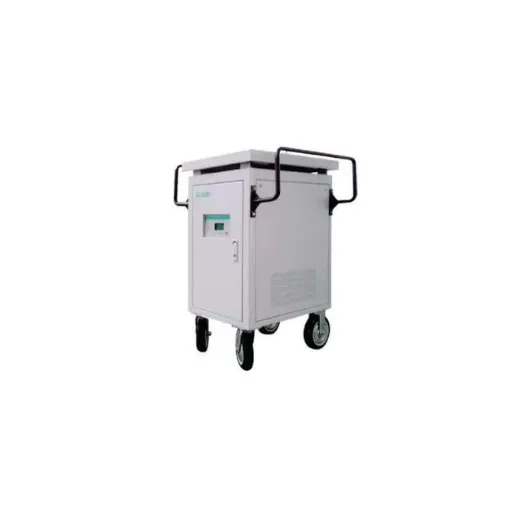
After defining the fluid, duty, pump type, materials, and site conditions, compare candidate models against documented specifications. This is where many selections go wrong, because buyers compare marketing descriptions instead of technical data.
Request Current Documentation
For each model under evaluation, request:
The technical datasheet with a visible document version or revision date
The performance curve showing flow, head, and efficiency at rated speed
The NPSH required curve at the relevant speed
The installation and maintenance manual
Applicable certification or compliance documentation for the destination market
Material certificates or the material specification for wetted parts
Check the model number shown on each document. Don't infer a specification from a different model or an older version of the documentation.
Build a Comparison Table
Create a table that compares each shortlisted pump under identical conditions. Include the following rows where applicable data is available:
Model number and documentation version
Rated flow and head at the operating point
Pump type and drive arrangement
Motor power, voltage, phase, frequency, and speed
Wetted materials and seal type
Connection sizes and flange standard
Weight, dimensions, and service clearance
NPSH required at the operating flow
Maximum fluid temperature and pressure ratings
Applicable certifications or compliance marks
Leave a cell blank rather than filling it with an assumption. If a specification is missing, ask for it. A supplier who can't provide a current, model-specific datasheet for a standard item may not have the documentation a buyer needs before ordering.
Confirm Commercial and Support Information
Once the technical evaluation is complete, confirm the commercial and support terms for the selected pump. Don't rely on category-level promises that are not tied to the specific model and order. Get the terms in writing.
Verify Commercial Terms
Request written confirmation of the following for your order:
The exact model, configuration, and any options quoted
Unit price and applicable currency
Minimum order quantity, if applicable
Estimated production or delivery lead time
Shipping terms, including International Commercial Terms (Incoterms)
Payment terms
Warranty scope and duration
The company states that quality management and after-sales support are central to its customer service approach. Request written confirmation of the applicable support terms for the selected product and destination market so there is a documented basis for evaluating the offer.
Confirm Destination-Market Requirements
If the pump will be installed in a market different from the supplier's location, confirm in writing:
Applicable electrical, safety, and pressure-equipment standards for the destination country
Any import documentation, certification, or compliance evidence required by local authorities
Whether the motor's rated voltage and frequency match the destination market's supply
Language requirements for manuals, nameplates, and compliance documentation
Don't assume that a pump offered for sale is automatically compliant with local regulations in your market. Request the relevant compliance documentation and verify it independently if needed.
A trading company in Dubai ordered a batch of pumps for a water project without confirming the motor voltage against the site's standard supply. The pumps arrived with 380 V 50 Hz motors, while the project site ran a 460 V 60 Hz network. Retrofitting the motors, controllers, and documentation took three months and added cost that exceeded the original savings. The commercial terms and electrical data had not been cross-checked against the destination market before payment.
A useful next step: request current commercial terms, support information, and destination-market documentation for the selected pump before finalizing an order.
Prepare for Installation and Ongoing Maintenance
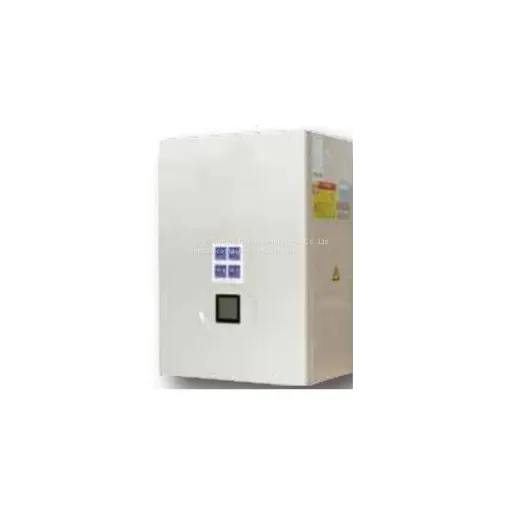
The selection process doesn't end when a model is chosen. The installation and operating phase determines whether the pump delivers the performance the datasheet describes.
Pre-Installation Checklist
Before the pump arrives, complete these checks:
Site preparation, including confirmed utility connections at the planned location
Piping support and alignment planned so the pump does not carry piping loads
Electrical supply verified by a qualified electrician against the motor nameplate
Suction piping arranged to keep NPSHa above the pump's requirement
Available space confirmed for the pump, motor, coupling guard, and service access
Lifting plan ready for the pump's weight and dimensions
Commissioning
After installation, confirm that the following steps are documented:
Initial startup procedure per the manufacturer's instructions
Checking rotation direction before coupling the motor to the pump
Verification of flow, head, and motor current under operating conditions
Operator training covering startup, shutdown, flushing, and basic troubleshooting
Maintenance schedule and record-keeping process
If any installation or commissioning step is unclear, request guidance before proceeding. Operating a pump outside its documented parameters can shorten component life and may not be covered by warranty terms.
Ongoing Maintenance Planning
Pumps have components that require regular attention. The specific tasks vary by model and environment, but common areas for scheduled attention include:
Mechanical seals and packing
Bearings and lubrication
Couplings and alignment
Impeller, casing, and strainers
Control and protection devices
Request the manufacturer's recommended maintenance schedule, spare-parts list, and service manual for the selected model. Use these documents to plan the maintenance budget and staffing before the pump enters daily operation.
Putting the Industrial Pump Selection Process Together
A methodical approach to industrial pump selection reduces the risk of an equipment mismatch. The main step is to define requirements first, then confirm that the documented specifications for the selected model match those requirements under actual site conditions.
Before making a purchasing decision, verify that you have completed the following selection checklist:
Defined the fluid properties, duty cycle, and operating schedule
Confirmed the required flow, total dynamic head, and suction conditions, including NPSH
Shortlisted the pump type that fits the fluid and duty
Confirmed wetted materials, seals, and connections against the fluid and application
Collected site conditions for electrical supply, environment, space, and piping
Requested and reviewed current model-specific documentation, including the performance curve
Confirmed commercial terms, delivery, warranty, and destination-market requirements in writing
Prepared the installation, commissioning, and maintenance plan
Each of these steps relies on documented information, not assumptions. If a specification, condition, or term is unclear, request clarification in writing before proceeding.
This company provides information on pumps as part of its stated industrial and electromechanical equipment categories. Product availability, model specifications, and commercial terms require confirmation for each enquiry. Discuss your intended application and operating conditions so the relevant equipment category and available documentation can be checked against your requirements. Request current model-specific information, confirm specifications, and verify commercial terms before placing an order.
Recently Posted
-
How to request a technical quotation for industrial equipment
August 17, 2026A purchasing assistant sends a one-line email to five suppliers: "Please quote your best price for a water pump." Two we Read More
 -
Custom mold drawing and tolerance requirements for buyers
August 17, 2026A custom mold arrives after eight weeks of tooling work. The first trial parts come off the press, and the snap-fit housing will n Read More
 -
What Information Is Needed for a PVC Molding Machine Enquiry
August 17, 2026A buyer who sends a PVC molding machine enquiry without the right technical details often receives quotes that cannot be compared Read More
 -
Power supply documentation checklist for industrial buyers
August 17, 2026Last March, Elena Vasquez received a shipment of frequency power supplies for a new cold-storage line. Elena is a procurement mana Read More

Contact Us
Recommended Products
-
 Large Capacity Ceiling Mounted Space Saving Indoor Pool DehumidifierNegotiableMOQ: 1 Piece
 -
Commercial Home Use Bathroom Dehumidification Swimming Pool Ceiling Mounted Mini DehumidifierNegotiableMOQ: 1 Piece
-
Greenhouse Grow Room Industrial Ceiling Mounted Duct Indoor Pool DehumidifierNegotiableMOQ: 1 Piece
-
Duokai OEM Indoor Dehumidifier Portable Swimming Pool Dehumidifier in Stock With CENegotiableMOQ: 1 Piece
-
High Quality Low Voltage ODM & OEM PLC Distribution CabinetNegotiableMOQ: 1 Set

-
Amy Autonomous Food Delivery Service Robot for Food Service in Hotels, Restaurants, and Commercial VenuesNegotiableMOQ: 1 Piece
-
6-Axis Automated Arc Welding Workstation for Steel Structure FabricationNegotiableMOQ: 1 Piece
-
Intelligent Inter-Row Weeding Robot Mower for Precision Agricultural CultivationNegotiableMOQ: 1 Piece
-
100kg Capacity Tumble DryerNegotiableMOQ: 2 Sets
-
Saladin Type Malt Production LineNegotiableMOQ: 1 Set
-
Seawater Desalination SystemUS$ 2000 - 1000000MOQ: 1 Set
-
High Speed Synthetic Lane Bowling Ball ReturnUS$ 50 - 2000MOQ: 10 Pieces
-
6-Axis Industrial Welding Robot for H-Beam Automatic Rail Welding StationNegotiableMOQ: 1 Piece
-
Long‑Reach Welding Robot JZJ06C‑180 6KG 1800mm Cutting ApplicationNegotiableMOQ: 1 Piece
-
Steering Gear Steering-sensitive Automotive PartsNegotiableMOQ: 100 Pieces