
 Business License

Surge protection device selection guide: how to choose the right protection
A surge protection device shows its value in the moment nobody notices. The lights stay on, the control panel keeps running, and the connected equipment keeps working. The failure it prevented is invisible.
Surge protection is easy to buy late and hard to evaluate early. A surge protection device is often the last item confirmed in an electrical project, and it is frequently reduced to one line in the specification: "add surge protection." That line hides most of the information the selection actually needs.
This surge protection device selection guide walks through the electrical system parameters, surge exposure, and model specifications you should confirm before comparing devices. It covers how the device works, how the common types differ, which ratings matter, and which standards and documentation to request.
XiAn Wisdom Computer Info&tech Co., Ltd lists surge protection devices among its stated industrial equipment categories. The company states that buyers should confirm electrical system parameters and applicable standards for each enquiry, and that model-specific specifications should be checked against current documentation before ordering.
Start with the electrical system. Write down the parameters of the panel you want to protect before you look at any device. That single sheet answers most of the questions in this guide.
What a surge protection device actually does
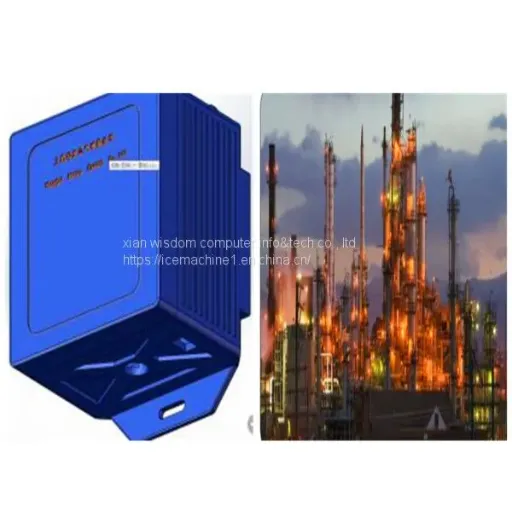
The surge is the threat
A surge is a short, sharp rise in voltage above the normal operating level of a circuit. It can come from outside the building, such as a lightning strike near the incoming supply, or from inside it, such as motors, transformers, and switchgear turning on and off.
The surge protection device is not designed to stop the surge. It is designed to clamp it. When the voltage rises above the response threshold of the device, the device conducts the excess energy away from the connected equipment and allows the voltage to return to a safe level. That brief action protects equipment that would otherwise absorb the surge.
The practical point is timing. A surge can reach thousands of volts in a few microseconds, which is faster than any fuse or breaker can react. Mechanical protection clears faults in a fraction of a second.
A surge protection device responds in nanoseconds. That speed is the reason a dedicated device is needed at all.
Type 1, Type 2, and Type 3 devices
Surge protection devices are grouped by where they sit in the installation and by the kind of surge they are tested against. The three common types in international guidance are Type 1, Type 2, and Type 3.
Type 1 devices are installed at the main incoming point, where the electrical supply enters the building. They handle the highest energy, including surges that come directly from lightning. Type 2 devices are installed at distribution boards and sub-distribution boards, where they handle the energy that has already been reduced by the upstream device. Type 3 devices are installed close to the sensitive equipment itself, such as a control panel, a programmable logic controller, or a machine drive.
A common selection mistake is to choose a Type 3 device and treat the job as finished. That leaves the incoming point unprotected. A different mistake is to install only a Type 1 device and expect it to protect a sensitive control card several metres away. The distance between the device and the equipment matters, which is why coordinated protection at more than one level is the normal recommendation.
| Device type | Typical location | Main role | When to consider |
|---|---|---|---|
| Type 1 | Main incoming panel | Handles the highest-energy surges, including direct lightning effects | Buildings with external lightning systems or long overhead incoming lines |
| Type 2 | Distribution and sub-distribution boards | Handles surges already reduced by the upstream device | Most industrial and commercial installations |
| Type 3 | Close to sensitive equipment | Provides fine protection at the equipment itself | Control panels, PLCs, drives, and other sensitive loads |
Where protection belongs
The location decision follows the equipment. A main panel protects the building wiring and the larger loads. A distribution-board device protects the branch circuits that feed a production area. A device near the machine protects the electronics that are most easily damaged.
The distance between protection levels is part of the coordination. If a Type 2 device sits too far from the equipment it protects, the connection leads add inductance that reduces the effectiveness of the device. The general guidance is to keep the connecting conductors as short as possible, and to protect sensitive equipment close to the point of connection.
A packaging plant makes this point concrete. The operations manager had installed a single surge protection device at the main panel, and he assumed the whole facility was covered. A switching surge from a large drive on the same line still reached the PLC control card that ran the line, and the card failed during a night shift.
The main-panel device had handled the large event. The small, close event was never within its reach. A second device installed beside the control panel would have caught it.
The point is not that the main-panel device was wrong. It is that protection is a system, and every level has a job. The selection should name each level and the equipment each level protects.
Define the system and the risk first
Electrical system parameters
The first information to gather is about the electrical supply itself. A surge protection device is chosen to match the system, not the other way around.
Confirm the system voltage and the frequency. Confirm whether the system is single-phase or three-phase. Confirm the earthing arrangement, such as TN-S, TN-C-S, or TT, because the modes the device must protect depend on it. Confirm the mains connection type, because a device that works in one configuration may not suit another.
Each of these values is a filter. A device rated for a 230 V single-phase system is not automatically suitable for a 400 V three-phase system, even if the connection looks similar. The surge protection device specifications must be matched to the actual supply.
Surge exposure
The second part of the risk is the likelihood and severity of surges at the site. This is not a precise science, but it is an honest one. The relevant factors are known and worth recording.
Consider the lightning density of the region, which describes how often thunderstorms occur in a given area. Consider whether the supply arrives on overhead lines or underground cable, because overhead lines are more exposed. Consider the equipment inside the building, because motors, drives, and switchgear create internal surges every time they switch. Consider whether an external lightning protection system is present, because that system directs lightning current and changes the surge exposure at the incoming point.
A facility in a region with frequent thunderstorms, served by an overhead line, with large drives cycling on and off, has a different exposure profile from a facility in a calm region with a buried supply. The exposure profile informs whether one device is enough or whether coordinated protection is justified.
Equipment to protect
The third part of the risk is the value and sensitivity of the equipment. Write down what the facility could not afford to lose.
Name the control systems, the programmable logic controllers, the drives, the instruments, and the communication networks. Name the production lines that stop when a single card fails. Name the replacement lead time of each item. This list turns the discussion from a general instruction into a specific protection plan.
A useful next step is to record the electrical system parameters, surge exposure, and equipment list on one sheet. When you later request product information, that sheet lets the supplier confirm which surge protection device category and documentation applies to your installation rather than guessing.
Confirm the surge protection device specifications
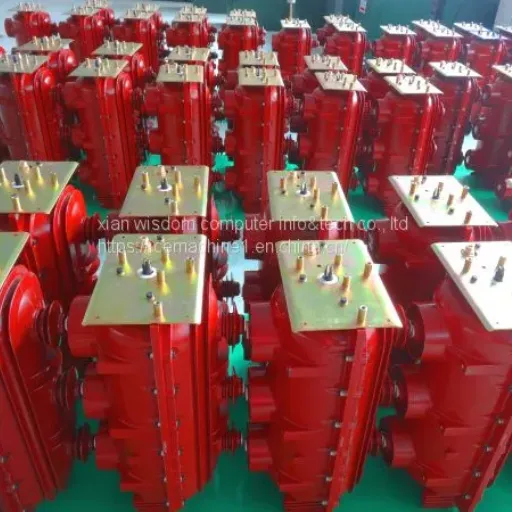
The surge protection device specifications to confirm are a short list, and each item has a clear meaning. Confirm them against the current datasheet for the exact model you are evaluating.
Voltage protection rating
The voltage protection rating, often shortened to Up, describes the voltage the connected equipment can expect to see when the device operates. A lower value means the device clamps the surge to a lower level, which is generally better for sensitive equipment.
The value must be below the withstand capability of the equipment it protects. If the equipment can tolerate only a limited overvoltage, the device rating should be chosen so the protected equipment never sees more than that level. Confirm the equipment withstand capability from its own documentation, and confirm the device rating from its datasheet.
Surge current capacity
The surge current capacity describes how much surge current the device can handle without failing. It is usually expressed as a maximum impulse current for Type 1 devices and as a nominal discharge current for Type 2 devices.
The rating is a capacity, not a promise. A device that is undersized for the exposure can fail during a large event, which removes the protection at the moment it is needed. The correct approach is to match the rated surge capacity to the site exposure identified earlier.
Maximum continuous operating voltage
The maximum continuous operating voltage, abbreviated as Uc, is the highest voltage the device can withstand continuously under normal operation. This value must be compatible with the system voltage and any expected voltage fluctuations.
This is the specification that is most often skipped, and skipping it is costly. If the continuous voltage rating is too low for the supply, the device can operate constantly and fail prematurely. If it is set with no margin for voltage variation, the device may not survive normal conditions.
The example is a buyer in a plant with a nominally 230 V supply that drifted to 245 V under light load. The datasheet listed the continuous operating voltage as 240 V. The device was installed, ran continuously at the edge of its rating, and failed within a year, taking the protected circuit down with it. The check that would have prevented the failure was reading the Uc value against the measured supply voltage and choosing a device with an appropriate margin.
Modes of protection
The final specification to confirm is the modes of protection, which describe which combinations of conductors the device protects. Common modes include line to neutral, line to earth, and neutral to earth.
A device that protects all the relevant modes gives complete coverage. A device that protects fewer modes leaves a path for surges to reach the equipment. Confirm the modes against the earthing arrangement recorded earlier, because the correct mode set depends on the system configuration.
| Specification | What it means | What to confirm |
|---|---|---|
| Voltage protection rating (Up) | The voltage the equipment can see when the device operates | Lower than the equipment withstand capability |
| Surge current capacity | The surge current the device can handle | Matched to the site exposure |
| Maximum continuous operating voltage (Uc) | The highest continuous voltage the device withstands | Compatible with the supply and its fluctuations |
| Modes of protection | Which conductor combinations are protected | Matched to the earthing arrangement |
Match the device to the installation
Type selection by location
The location of the device in the installation determines the type. The incoming point is the natural home of a Type 1 device. Distribution boards are the natural home of Type 2 devices. Sensitive equipment is the natural home of a Type 3 device.
The surge protection device installation plan should name every location and every type before any device is purchased. When the plan is written down, the number of devices, the ratings, and the wiring become a specification instead of a hope.
Installation and wiring
Installation quality changes the performance of the device more than most buyers expect. The connecting conductors should be kept as short as possible, because long leads add impedance that reduces the clamping effect. The device should be connected so the protected equipment sits on the load side.
The earthing connection matters too. A surge protection device routes surge energy to earth, so the earth connection must be sound and continuous. Confirm the earthing requirements from the device documentation and the applicable installation standard before the panel is wired.
Coordination across levels
When more than one device is installed, the levels need to coordinate. The upstream device handles the large energy, and the downstream devices handle the reduced surges close to the equipment. If the levels are not coordinated, the downstream device can absorb more energy than it is designed for and fail.
The coordination is usually achieved by following the manufacturer guidance for distance and device selection. Confirm that the chosen devices are listed as compatible and that the wiring distances match the documentation. The selection is complete only when the levels work as a set.
Confirm standards and destination-market requirements
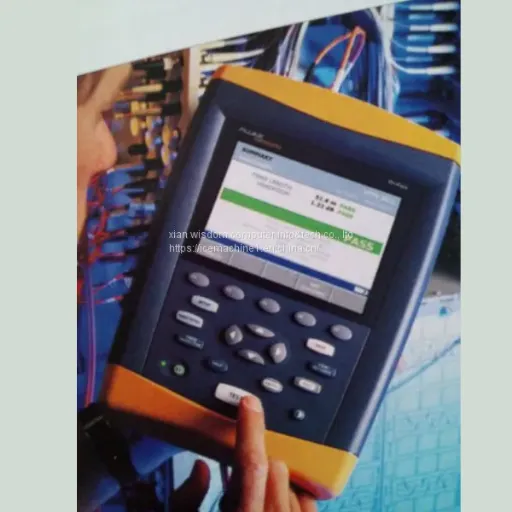
Surge protection device standards
Surge protection device standards set the test method and the classification system that the device ratings come from. When a datasheet states a rating, the standard it was tested to defines what that rating means.
International guidance is provided by standards bodies such as the IEC, which publishes the IEC 61643 series for surge protection devices. Other markets use related national standards that share the same technical basis. The test classes, the type numbers, and the declared ratings all depend on the standard.
State the standard, the document version, and the test conditions whenever you record a rating. Two devices can carry a similar-looking number and mean different things if they were tested to different editions or conditions.
Certification and documentation
The final step is to request the documentation that makes the selection verifiable. Ask for the current datasheet for the exact model, the test report or certificate that supports the declared ratings, and the installation instructions.
Confirm that the device meets the requirements of the destination market. An electrical product sold into one market may need to meet a different safety and compliance regime in another. The company states that destination-market requirements should be confirmed before commercial commitments, and that the applicable documentation should be confirmed for the selected model.
The example is a control-room project team. The team had chosen devices on paper, but the acceptance review found that the declared surge current rating had no test report behind it, and the installation drawing did not match the wiring guidance.
The team requested the missing documentation before installation, confirmed the ratings against the test report, and corrected the drawing. The review took a day. The rework it prevented would have taken longer and stopped a commissioning schedule.
Documentation is not an administrative extra. It is the only way to know that the device you selected is the device that protects the equipment.
Compare documented model information like for like
What to confirm for each model
When several candidate devices are on the table, compare them on the same list of items. Comparing documented model information like for like is the only reliable way to tell which device fits the installation.
Confirm the following for every candidate:
The device type and the installation location it is intended for.
The system voltage, frequency, and phase configuration it is rated for.
The earthing arrangement and the modes of protection it provides.
The voltage protection rating and the equipment withstand capability.
The surge current capacity and the test standard it was measured to.
The maximum continuous operating voltage and the supply variation margin.
The surge protection device standards it was tested to and the document version.
The connection method, conductor length guidance, and earthing requirements.
The test report or certificate that supports the declared ratings.
The installation instructions and the destination-market documentation.
Line the candidates up
Record every candidate in a table with one column per device. Where a cell is empty, the missing information is a decision point, not a minor gap. Ask for the missing datasheet or test report before comparing further.
A device is not necessarily better because it shows a higher surge current rating. The rating means nothing until the test standard, the operating conditions, and the installation location are the same across the candidates. The comparison should be made on identical ground.
The commercial discussion should stay tied to the documented selection. When you request a quotation, ask that the price, lead time, and terms be matched to the specific model and the confirmed installation. Request that the applicable documentation be confirmed in writing, and keep the commercial details separate from unverified marketing claims.
Conclusion: a surge protection device selection checklist
This surge protection device selection guide ends with a short, verifiable checklist. Run through it once for the installation and once for every candidate device.
Write down the system voltage, frequency, phase, and earthing arrangement.
Describe the surge exposure from the region, the supply, and the equipment.
List the equipment that must be protected and its withstand capability.
Decide where protection belongs and which type belongs at each level.
Confirm the voltage protection rating for each device.
Confirm the surge current capacity against the exposure.
Confirm the maximum continuous operating voltage against the supply.
Confirm the modes of protection against the earthing arrangement.
State the surge protection device standards and document versions for every rating.
Request the datasheet, test report, installation instructions, and destination-market documentation for the selected model.
That last item is the one that makes the others real. The ratings are only as trustworthy as the documentation behind them, and the documentation is what lets you confirm the device before it is installed.
The examples in this guide are illustrative scenarios, not documented customer case studies. Model-specific ratings, standards, certifications, and availability should be confirmed against current approved documentation for the exact product before any purchasing decision.
Surge protection is a small item in an electrical project and a large one in the equipment it protects. Confirm the electrical system, the exposure, and the documented model information, and the choice becomes a check rather than a guess. When you are ready, request product information for the surge protection device category, and confirm which standards and documentation apply to your installation before you compare models or request a quotation.
Recently Posted
-
How to request a technical quotation for industrial equipment
August 17, 2026A purchasing assistant sends a one-line email to five suppliers: "Please quote your best price for a water pump." Two we Read More
 -
Custom mold drawing and tolerance requirements for buyers
August 17, 2026A custom mold arrives after eight weeks of tooling work. The first trial parts come off the press, and the snap-fit housing will n Read More
 -
What Information Is Needed for a PVC Molding Machine Enquiry
August 17, 2026A buyer who sends a PVC molding machine enquiry without the right technical details often receives quotes that cannot be compared Read More
 -
Power supply documentation checklist for industrial buyers
August 17, 2026Last March, Elena Vasquez received a shipment of frequency power supplies for a new cold-storage line. Elena is a procurement mana Read More

Contact Us
Recommended Products
-
 Large Capacity Ceiling Mounted Space Saving Indoor Pool DehumidifierNegotiableMOQ: 1 Piece
 -
Commercial Home Use Bathroom Dehumidification Swimming Pool Ceiling Mounted Mini DehumidifierNegotiableMOQ: 1 Piece
-
Greenhouse Grow Room Industrial Ceiling Mounted Duct Indoor Pool DehumidifierNegotiableMOQ: 1 Piece
-
Duokai OEM Indoor Dehumidifier Portable Swimming Pool Dehumidifier in Stock With CENegotiableMOQ: 1 Piece
-
High Quality Low Voltage ODM & OEM PLC Distribution CabinetNegotiableMOQ: 1 Set
-
Amy Autonomous Food Delivery Service Robot for Food Service in Hotels, Restaurants, and Commercial VenuesNegotiableMOQ: 1 Piece
-
6-Axis Automated Arc Welding Workstation for Steel Structure FabricationNegotiableMOQ: 1 Piece
-
Intelligent Inter-Row Weeding Robot Mower for Precision Agricultural CultivationNegotiableMOQ: 1 Piece
-
100kg Capacity Tumble DryerNegotiableMOQ: 2 Sets
-
Saladin Type Malt Production LineNegotiableMOQ: 1 Set
-
Seawater Desalination SystemUS$ 2000 - 1000000MOQ: 1 Set
-
High Speed Synthetic Lane Bowling Ball ReturnUS$ 50 - 2000MOQ: 10 Pieces
-
6-Axis Industrial Welding Robot for H-Beam Automatic Rail Welding StationNegotiableMOQ: 1 Piece
-
Long‑Reach Welding Robot JZJ06C‑180 6KG 1800mm Cutting ApplicationNegotiableMOQ: 1 Piece
-
Steering Gear Steering-sensitive Automotive PartsNegotiableMOQ: 100 Pieces